Blog
Category A Motorcycle Licence – Buy Category A Motorcycle Licence online
Aug
Category A Motorcycle Licence. A Category A Motorcycle Licence Ireland is the highest motorcycle licence category available to eligible riders in Ireland. It allows riders to operate motorcycles without the power restrictions that apply to lower motorcycle categories. This makes it a suitable option for people interested in larger motorcycles for commuting, touring, leisure riding, or other purposes.
Understanding the Category A Motorcycle Licence requirements is important before beginning your application. The process involves several stages, including passing the relevant motorcycle theory test, obtaining a learner permit, completing Initial Basic Training (IBT), gaining practical riding experience, and completing the applicable licensing requirements.
This guide explains how the Category A Motorcycle Licence Ireland process works, the different routes available, and what riders should know before progressing towards a full motorcycle licence.
What Is a Category A Motorcycle Licence?
A Category A Motorcycle Licence allows eligible riders to operate motorcycles without the power limitations associated with Category A1 and Category A2 licences.
The category is designed for riders who want the greatest flexibility when choosing a motorcycle. Depending on your experience and eligibility, you may be able to obtain Category A through direct access or progressive access.
Under the applicable Irish licensing rules, direct access is generally available from age 24. Riders may also progress from Category A2 after meeting the relevant requirements and holding the appropriate licence for the required period.
Because motorcycle licensing rules can depend on your age, previous licence category, and individual circumstances, it is important to check the current requirements before applying.
Category A Motorcycle Licence Ireland Requirements
Before applying for a Category A Motorcycle Licence Ireland, you will generally need to complete the appropriate stages of the motorcycle licensing process.
These can include:
- Meeting the applicable minimum age requirement
- Passing the relevant Motorcycle Driver Theory Test
- Applying for a Category A Learner Permit
- Completing Initial Basic Training (IBT)
- Following learner-driver restrictions
- Gaining appropriate motorcycle riding experience
- Completing the required practical driving test where applicable
- Meeting the requirements for progressive or direct access
The exact route can differ depending on whether you are a new motorcycle rider or already hold another motorcycle licence category.
Step 1 – Pass the Motorcycle Theory Test
The first stage for many applicants is passing the relevant Motorcycle Driver Theory Test.
The theory test is designed to assess your knowledge of road safety, traffic regulations, road signs, hazard awareness, and responsible road use. Preparing thoroughly before taking the test can help you understand the rules that apply to motorcycle riders in Ireland.
Once you successfully complete the theory test, you can progress to the learner-permit stage if you meet the other applicable requirements.
Step 2 – Apply for a Category A Learner Permit
After passing the relevant theory test, eligible applicants can apply for a Category A Learner Permit through the National Driver Licence Service (NDLS).
The learner permit allows you to learn and practise riding while following the conditions that apply to motorcycle learner drivers.
When riding with a learner permit, you must comply with applicable restrictions and Irish road traffic laws. You should also ensure that your motorcycle meets the relevant legal and safety requirements before using it on public roads.
Step 3 – Complete Initial Basic Training
Initial Basic Training (IBT) is an important part of the motorcycle learning process.
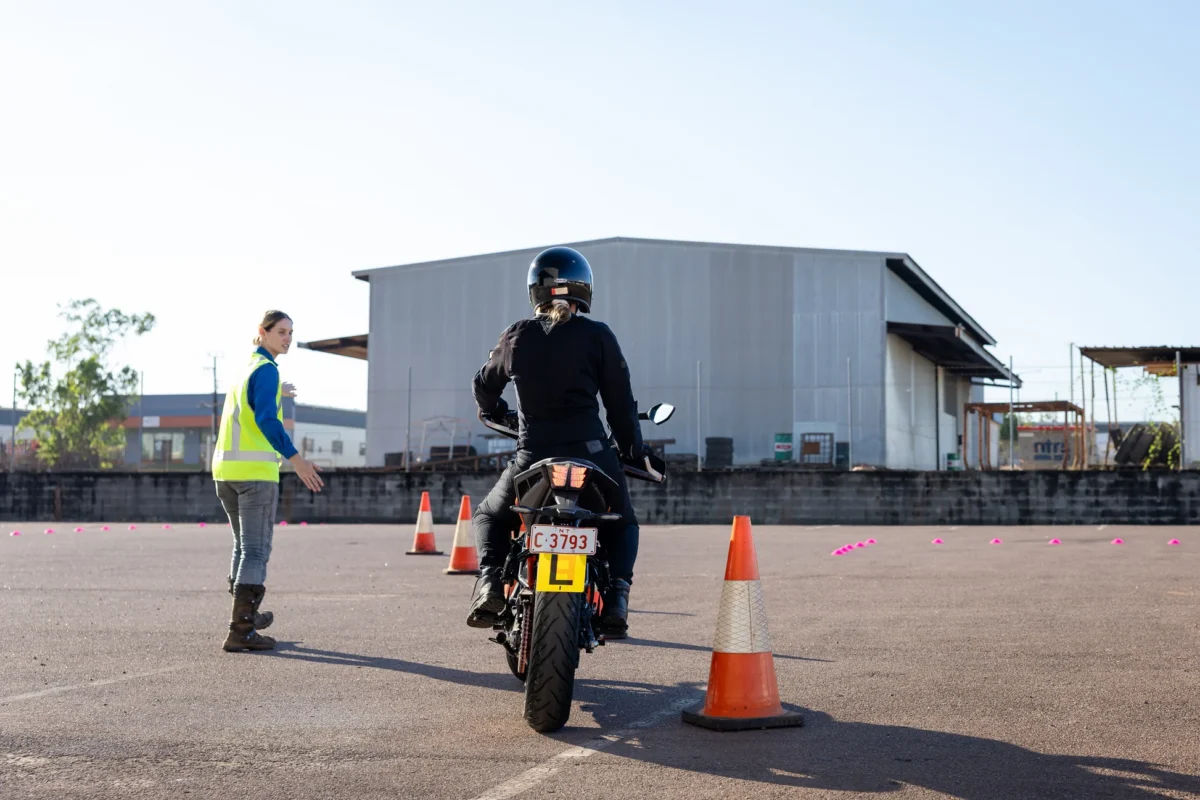
IBT is designed to provide new riders with fundamental motorcycle-handling skills and introduce safe riding techniques. Training covers areas such as motorcycle controls, manoeuvring, road positioning, observation, and safe interaction with other road users.
Completing the required IBT with an approved instructor can help you develop the practical skills needed for safe motorcycle riding.
Step 4 – Gain Motorcycle Riding Experience
After completing the required training, gaining regular riding experience is an important part of preparing for the next stage of the licensing process.
Practice can help you improve your:
- Motorcycle control
- Observation skills
- Road positioning
- Braking and acceleration
- Cornering
- Hazard awareness
- Junction and roundabout techniques
- Interaction with other road users
Learner riders must continue to follow all applicable restrictions while gaining experience.
Step 5 – Prepare for the Motorcycle Driving Test
If your licensing route requires a practical test, you should spend sufficient time preparing before booking or attending the Irish Motorcycle Driving Test.
The practical assessment is designed to determine whether you can control the motorcycle safely and demonstrate appropriate awareness and decision-making on the road.
Professional motorcycle instruction and regular practice can help you become familiar with the skills expected during the assessment.
Direct Access vs Progressive Access
There are different routes towards a Category A Motorcycle Licence Ireland, depending on your age and previous motorcycle experience.
Direct Access
Direct access provides an option for eligible riders who meet the applicable age requirements and want to progress directly towards Category A.
This route may be suitable for someone who has not previously held a lower motorcycle licence but meets the requirements for direct access.
Progressive Access
Progressive access provides a route for eligible riders who already hold a Category A2 Motorcycle Licence and have gained the required experience.
This can allow an experienced A2 rider to progress to Category A after meeting the relevant conditions.
The requirements for both routes can change, so applicants should confirm their eligibility before beginning the process.
Benefits of a Category A Motorcycle Licence
Obtaining a Category A Motorcycle Licence provides riders with greater flexibility because there are no motorcycle power restrictions associated with the category.
Some benefits include:
- Access to a wider range of motorcycles
- Ability to ride larger touring motorcycles
- Greater flexibility for commuting
- Ability to consider higher-performance motorcycles
- Progression beyond lower motorcycle categories
- Recognition as a fully licensed motorcycle rider, subject to applicable conditions
For riders who intend to continue developing their motorcycle experience, Category A can provide the broadest motorcycle entitlement available under the Irish licensing system.
Choosing the Right Motorcycle
Once you have obtained the appropriate licence entitlement, choosing a motorcycle should still be based on your experience, riding ability, intended use, and comfort.
A larger motorcycle can have significantly different handling characteristics compared with a smaller learner motorcycle. Riders should consider factors such as weight, seating position, braking performance, engine characteristics, and overall manageability.
Choosing a motorcycle that matches your experience can help promote safer and more enjoyable riding.
Motorcycle Safety in Ireland
Having a Category A Motorcycle Licence Ireland does not replace the need for continued training and responsible riding.
Motorcyclists are more exposed to injury than occupants of enclosed vehicles, making defensive riding particularly important. Riders should remain aware of changing road conditions, weather, visibility, traffic, and the behaviour of other road users.
Wearing appropriate protective equipment, maintaining your motorcycle correctly, observing speed limits, and maintaining a safe following distance are all important aspects of responsible motorcycle riding.
Frequently Asked Questions
What is a Category A Motorcycle Licence in Ireland?
A Category A Motorcycle Licence is the highest motorcycle licence category and allows eligible riders to operate motorcycles without the power restrictions associated with lower motorcycle categories.
What age can you get a Category A licence?
The applicable age depends on the route you take. Direct access is generally available from age 24, while progressive access may provide a route for eligible Category A2 holders who meet the required conditions.
Do I need a learner permit?
If you are learning to ride and progressing through the learner route, you generally need the appropriate motorcycle learner permit before riding under learner conditions.
What is IBT?
Initial Basic Training (IBT) is motorcycle training designed to teach essential riding skills and promote safe motorcycle use before riders progress further through the licensing process.
Can an A2 rider progress to Category A?
Eligible A2 riders may be able to use the progressive access route after satisfying the applicable requirements.
Is Category A the highest motorcycle licence category?
Yes. Category A is the highest motorcycle licence category and provides the greatest motorcycle entitlement compared with A1 and A2 categories.
Final Thoughts
Obtaining a Category A Motorcycle Licence Ireland is a structured process designed to ensure that riders have the appropriate knowledge, training, and practical experience to ride safely.
From completing the Motorcycle Driver Theory Test and obtaining a learner permit to completing IBT, gaining riding experience, and meeting the requirements for the applicable licensing route, each stage plays an important role.
If you are considering applying for a Category A Motorcycle Licence, understanding the requirements before you begin can help you prepare properly and make informed decisions throughout your motorcycle licensing journey.
APPLY NOW